
Understanding the Search Intent Behind Free TikTok Likes
Anyone typing free tiktok likes into Google is almost always chasing the same outcome faster growth without spending money. Maybe a video is stuck at a handful of likes despite decent watch time or a creator wants their profile to look more established before pitching brands. The keyword sits at the intersection of curiosity and urgency which is exactly why so many websites and apps have sprung up promising instant free engagement.
But there’s a second, quieter layer to this search. A lot of people typing this phrase aren’t fully sure what they’re going to find, and they’re right to be cautious. The TikTok growth space is crowded with tools that range from mildly useless to genuinely dangerous, and very few of them explain their own risks. This article breaks down what free TikTok likes services actually are, how they work behind the scenes, what TikTok’s own rules say about them, and what genuinely moves the needle for creators who want real growth instead of a hollow number.
Table of Contents
What Is a Free TikTok Likes Service
A free TikTok likes service is typically a website, browser extension, or app that claims it can add likes to a specific TikTok video without charging the user money. Most operate through one of a few models they ask for your TikTok username or video link and route the likes through bot accounts they require you to complete surveys or watch ads before delivering the promised engagement, or they ask you to log in directly with your TikTok credentials so the tool can verify your account.
The common thread across nearly all of them is that the likes being delivered aren’t coming from real people who watched and enjoyed the content. They’re coming from automated accounts, click farms or engagement pods designed purely to inflate a number on the screen. Some services layer in a point or coin system where users earn credits by liking other people’s videos through the platform and those credits get redeemed for likes on their own content. This peer exchange model is common but it still produces engagement from accounts that have no genuine interest in the content, which limits its value.
How These Tools Typically Operate
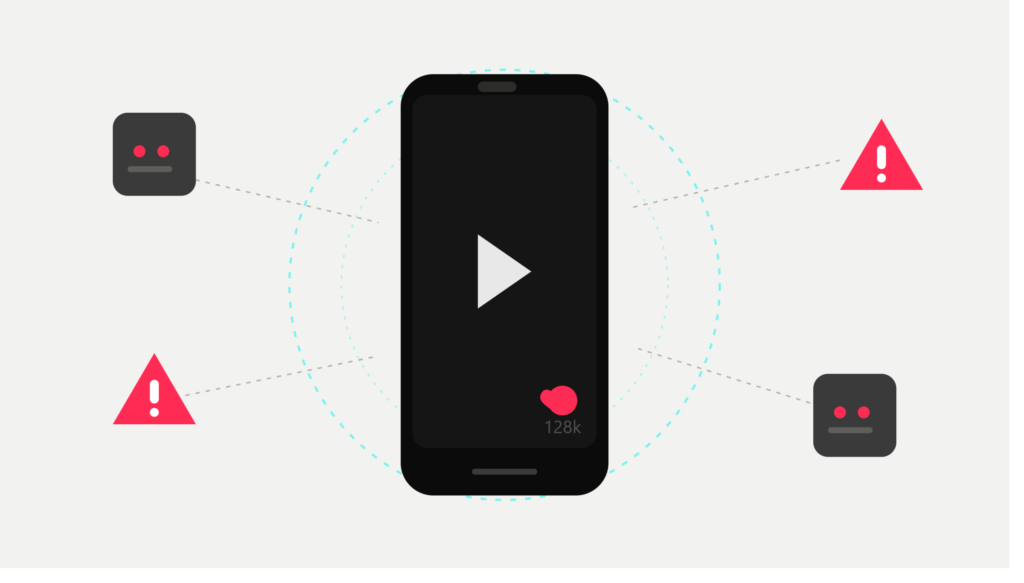
Most free engagement platforms rely on one of three underlying mechanics. The first is bot networks, where scripts automatically like large batches of videos using fake or low quality accounts created solely for this purpose. The second is engagement exchanges where real users trade likes with each other through an app effectively swapping empty interactions rather than generating organic interest. The third, and most concerning involves apps that request full account access or login credentials under the guise of delivering the service, which opens the door to account theft.
It’s worth understanding that none of these methods create the kind of engagement TikTok’s recommendation system is designed to reward. TikTok’s algorithm weighs signals like watch time rewatches shares comments and how long someone lingers on a video before scrolling away. A like from a bot account that never actually watches the video contributes almost nothing to those deeper signals which is why creators often see their like count rise while their actual reach stays flat or even drops.
Why Free TikTok Likes Are Trending as a Search Topic
Interest in free TikTok likes tends to spike alongside broader shifts in creator culture. As more people treat TikTok as a career path or side income source the pressure to show impressive numbers grows and likes are often the first metric a curious brand or follower notices. This has fueled a steady stream of new apps and websites entering the space each promising a shortcut that the last one supposedly couldn’t deliver.
There’s also a seasonal pattern tied to platform algorithm changes. Whenever TikTok updates how it ranks content or cracks down on inauthentic activity forums and social media fill up with creators asking whether engagement services still work which pushes search interest back up. This cycle of crackdown workaround and renewed crackdown is part of why the keyword keeps resurfacing rather than fading away.
The Gap Between Promise and Reality
A lot of what keeps this topic trending is the gap between what these services advertise and what they can actually deliver over time. Many sites promise thousands of likes within minutes, and in the short term some do deliver a visible bump. The problem shows up later when TikTok’s spam detection systems identify the inauthentic activity and quietly remove it sometimes days or weeks after it was added. Creators are often left with a video that briefly looked popular and then reverted to its real numbers having gained nothing except wasted time and, in some cases a flagged account.
This delayed disappointment is a major reason people keep searching for free alternatives instead of sticking with one service. Trust in any single tool erodes quickly once users realize the likes vanish or the account gets restricted so the search traffic simply migrates to the next site claiming to have solved the problem.
Do Free TikTok Likes Services Actually Work
The honest answer is that they can technically add numbers to your like count, but they rarely deliver anything of lasting value. If the goal is a quick screenshot showing a higher like count, some tools will produce that in the short term. If the goal is more views, more followers brand deals or a healthier presence on the platform, these services almost never help and frequently cause harm.
TikTok has invested heavily in detecting inauthentic engagement. Its systems look for patterns that don’t match normal human behavior, such as a sudden spike of likes from accounts with no profile pictures no posts or no prior activity on similar content. When that pattern is detected, the platform can strip the fake likes suppress the video’s reach as a penalty or in more serious cases, restrict the account entirely. This means that using a free likes service doesn’t just fail to help; it can actively work against the content it was meant to boost.
What Creators Actually Experience
Creators who have tested these services report a fairly consistent pattern. The like count jumps quickly sometimes within minutes of submitting a video link. Over the following days, that count either stays static while genuine engagement stalls or it gradually declines as TikTok’s systems clean up detected bot activity. Meanwhile the video’s actual performance in the For You feed doesn’t improve because the algorithm isn’t fooled by likes that come without matching watch time or shares.
There’s also a reputational cost that’s easy to overlook. Audiences today are fairly good at spotting mismatched numbers like a video with tens of thousands of likes but only a handful of comments or shares. That inconsistency can make a creator look less credible not more especially to brands doing due diligence before a partnership. A smaller account with proportionate believable engagement often reads as more trustworthy than one with numbers that don’t add up.
Reviews of Common Free TikTok Likes Approaches
Looking across the landscape of tools and methods people use to chase free likes a few categories consistently come up each with its own tradeoffs.
Coin or point based exchange apps are probably the most common. Users like other people’s videos to earn credits then spend those credits to get likes back on their own content. These apps don’t usually require your password which makes them somewhat safer than login based tools but the engagement they generate is still low quality since it comes from people who are only there to earn credits not because they enjoyed your video.
Browser based generator websites are the second common category and they tend to be the riskiest. Many ask for a TikTok username and then walk users through a series of surveys app downloads or ad views before claiming to deliver likes. In a large share of cases the promised likes never arrive at all and the site profits purely from the ad revenue and data collected during the survey process. These are best avoided entirely since the free part is really just a lure to generate clicks and downloads for the site’s own monetization.
Login-Based Apps Deserve Extra Caution
A third category and the one that deserves the strongest warning includes apps and sites that ask users to log into their actual TikTok account through the tool itself rather than through TikTok’s official app or website. This is a significant red flag. Handing over login credentials to a third party gives that party the ability to post, follow message or change account settings without the owner’s knowledge. Even when a service seems legitimate at first there’s no way to verify what happens to stored credentials after the fact.
Security researchers and TikTok’s own safety guidance consistently advise against sharing account credentials with any third-party tool that isn’t an officially recognized TikTok partner. If a free likes service requests a password that alone is reason enough to close the tab and look elsewhere.
Latest Update on TikTok’s Stance Toward Fake Engagement
TikTok’s community guidelines and terms of service explicitly prohibit artificial engagement including likes views comments or followers generated through bots purchased services or engagement schemes designed to manipulate metrics. The platform has continued to refine its spam and fraud detection systems which now identify and remove inauthentic engagement on an ongoing basis rather than in occasional sweeps.
Accounts found to be using these services repeatedly can face reduced distribution, meaning their content is shown to fewer people even when it’s genuinely good, temporary restrictions on posting or interacting or in persistent cases permanent suspension. TikTok doesn’t always notify creators about why their reach dropped which means many people using engagement services never connect the dots between the fake likes they bought or claimed and the slow decline in their organic performance.
What This Means for Anyone Considering These Tools
Given how consistently TikTok enforces against artificial engagement the practical risk of using a free likes service has only grown over time. What may have worked with fewer consequences years ago now carries a real chance of hurting an account’s long term visibility. For creators who depend on TikTok for income or audience building that risk is rarely worth the temporary boost in a single metric.
Anyone currently using or considering one of these tools should weigh the short term appeal of a higher like count against the very real possibility of reduced reach, a flagged account or compromised login credentials. For most creators, the math simply doesn’t favor these shortcuts.
What Actually Grows TikTok Likes and Engagement
Since artificial engagement carries real risk without delivering real reward it’s worth focusing on what genuinely works. TikTok’s algorithm rewards content that keeps people watching, so the single biggest lever any creator has is the first few seconds of a video. Hooks that create curiosity, tension or immediate value tend to keep viewers from scrolling away and that retention signal feeds directly into how widely a video gets distributed.
Posting consistency also plays a meaningful role not because TikTok explicitly favors frequent posters but because more attempts mean more chances for a video to resonate and more data for creators to learn what their specific audience responds to. Consistency paired with genuine experimentation, testing different hooks formats and lengths tends to outperform any shortcut over a period of months.
Building Engagement That Actually Lasts
Engaging directly with comments, responding to viewers and creating content that invites participation like asking a question or starting a duet friendly trend, tends to produce likes that come from people who are actually invested in the content. This kind of engagement compounds, since viewers who feel seen by a creator are more likely to return share the content with friends and like future videos as well.
Collaborating with other creators in a similar niche can also introduce a video to a new but relevant audience, which tends to produce far higher quality likes than any bot network could ever generate. Cross promotion duets and stitches all tap into TikTok’s native discovery mechanics rather than trying to trick them which is why these methods hold up over time in a way that purchased or free engagement never does.
Who Should Be Cautious About Free TikTok Likes Offers
Newer creators are often the most tempted by these services since a low like count on early videos can feel discouraging. Ironically, they’re also the most vulnerable to the downsides, since a new account flagged for inauthentic activity has far less established credibility to fall back on than a channel with years of genuine posting history.
Small businesses and brands using TikTok for marketing should be especially cautious, since inflated engagement can distort their own understanding of what content is actually working. Making decisions based on fake likes can lead a business to invest more time and budget into a content style that isn’t really resonating with real customers which wastes resources rather than saving them.
Anyone Building a Long-Term Presence
Creators who plan to monetize their TikTok presence through TikTok’s Creator Rewards Program brand deals, or affiliate content should treat their account’s authenticity as a long term asset. Brands increasingly vet creators by checking whether engagement rates look proportionate to follower counts and a history of suspicious like spikes can raise red flags during that vetting process, even after the fake likes themselves are gone.
Frequently Asked Questions
Are free TikTok likes services safe to use?
Most are not safe in any meaningful sense. Even services that don’t ask for your password often violate TikTok’s terms of service, which can lead to reduced reach or account restrictions. Services that do request login credentials carry an additional risk of account theft.
Can TikTok detect and remove likes from these services?
Yes. TikTok continuously runs detection systems that identify patterns consistent with bot activity or purchased engagement, and it regularly removes likes that don’t match genuine user behavior.
Will free TikTok likes help my video get more views?
Rarely. TikTok’s recommendation system relies heavily on watch time, shares, and comments alongside likes. A spike in likes without matching engagement in those other areas typically doesn’t translate into more views, and can sometimes suppress a video’s reach if it’s flagged as inauthentic.
Is it against TikTok’s rules to use engagement exchange apps?
Yes. TikTok’s community guidelines prohibit artificial engagement of any kind, including likes generated through exchange apps, bots, or purchased services, regardless of whether money changes hands.
What happens if my account gets flagged for fake engagement?
Consequences vary depending on the severity and frequency of the activity. They can range from reduced distribution of future content to temporary restrictions on posting and interacting, up to permanent account suspension in repeated or severe cases.
Is there any legitimate way to get free likes on TikTok?
The only sustainable way to grow likes without paying is by creating content that genuinely resonates with viewers, engaging authentically with your audience, and using TikTok’s native discovery tools like trending sounds, relevant hashtags, and collaborations with other creators.
Do more likes actually help my TikTok grow, or is it just a vanity metric?
Likes do factor into TikTok’s ranking signals, but they matter far less on their own than watch time and shares. A video with proportionate, genuine engagement across all metrics performs better long-term than one with an inflated like count and little else.
How can I tell if a TikTok likes service is a scam?
Warning signs include requests for your TikTok password, promises of instant delivery of unusually large numbers of likes, requirements to complete surveys or download unrelated apps, and a lack of any clear information about who runs the service or how it operates.
Final Thoughts
The appeal of free TikTok likes is easy to understand. Growth on any platform takes time and a tool promising to skip that process feels like a welcome shortcut especially for creators just starting out. But the reality behind most of these services is far less appealing than the promise. The likes they deliver rarely come from real people TikTok’s own systems are increasingly good at detecting and removing that activity and the accounts using these services often end up worse off than before either through reduced reach or outright restrictions.
The creators who build lasting success on TikTok are almost always the ones who focus on what the platform actually rewards content that holds attention invites real interaction and builds a genuine audience over time. That path is slower than any generator website claims to be, but it’s the only one that consistently works and it doesn’t come with the risk of losing an account entirely. If the goal is real growth rather than a number that looks good for a moment skipping the shortcuts and investing in better content is still the most reliable strategy available.
Related Resources for Content Creators
Also check out this guide: Random QR Code Generator Guide